
Japan’s equity story is often perceived through the lens of Nikkei 225 index. However, the most interesting dimension of economic activity in Japan, lately, has been the activist activity unfolding across Japanese equities.
This cultural shift began with the Stewardship Code in 2014 established by the Financial Services Agency (“FSA”), and the subsequent Corporate Governance Code in 2015 established by the Tokyo Stock Exchange (“TSE”). The gradual changes in the Stewardship Code pushed institutional investors for accountability, transparency in capital allocation and real, active engagement with investees, rather than just passively voting, leading to voting in favour of shareholder activist proposals.
Similarly, the Corporate Governance Code, took a “comply-and-explain” approach, ultimately enabling activist positions by requiring extensive disclosures in cross-shareholdings, enhanced English-language usage, and independent directors. More disclosure on the cross-shareholdings led to a reduction in cross-shareholdings, which, in turn, reduced the proportion of loyal shareholders within listed companies, ultimately creating a more favourable environment for activism. Moreover, when TSE split the equity market into Prime, Standard, and Growth, with the Prime one explicitly designated as the market with the most access to global investors, it further pushed Japanese companies to implement these measures.
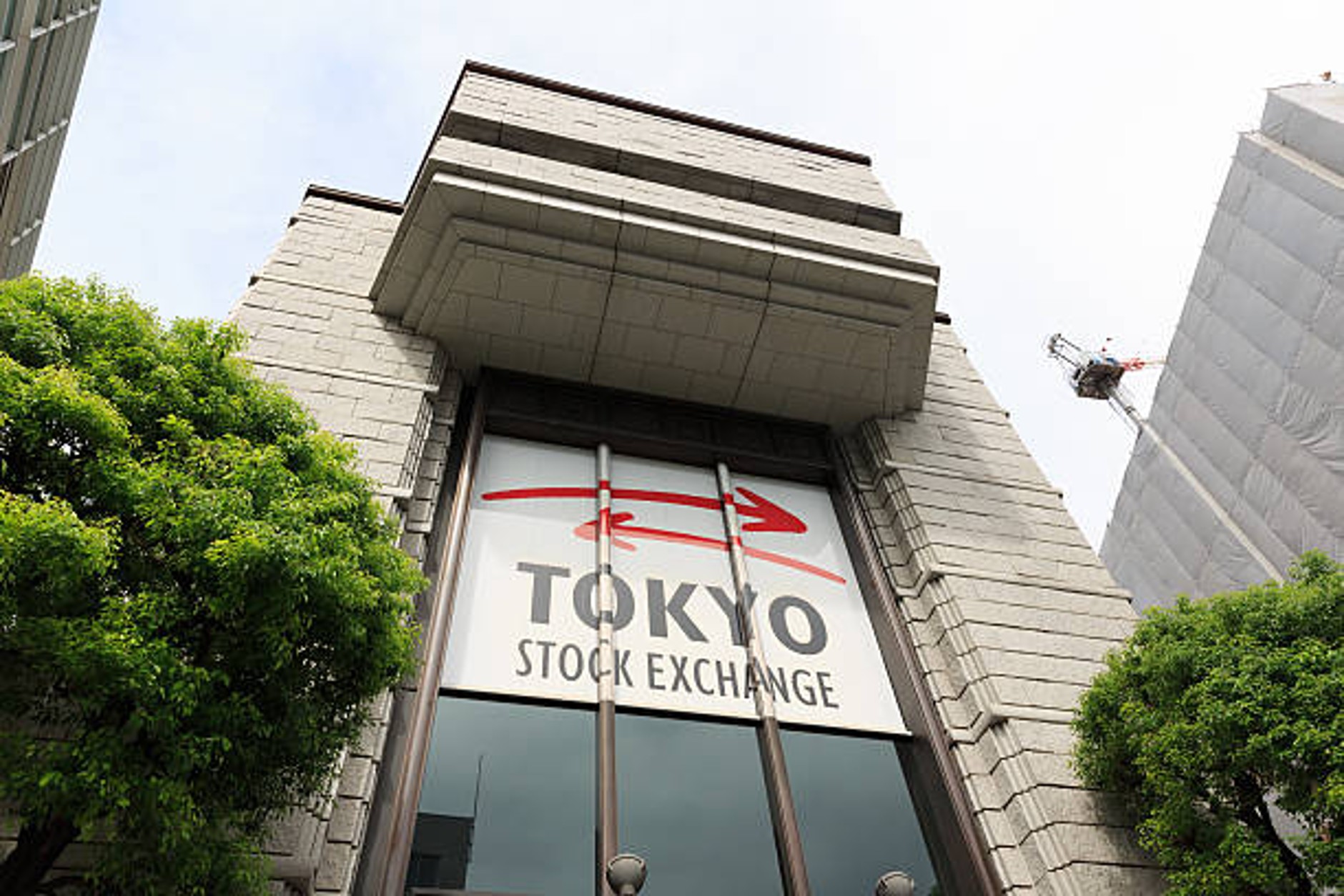
What really set things in motion was the pressure exercised by the TSE. In 2023, TSE requested all listed companies on the Prime and Standard Markets to take “action to implement management that is conscious of cost of capital and stock price.” This was a direct result of the below 1 price-to-book ratio (“PBR”), and the 8% ROE, present across almost 50% of the companies listed on the Prime Market, and 60% of the companies listed on the Standard Market. By comparison, only 14% of the S&P 500 companies have a ROE below 8% and only 5% a PBR below 1. The presence of these metrics in Japanese markets shows low profitability and scepticism that management can increase returns, but creates opportunity for activism investing, as firms in these categories may be strongly undervalued.
Looking at a concrete case, Japan has more than 500 small-cap stocks trading at a PBR smaller or about 0.7x, which represent 13% of small-cap stocks globally, whereas Japan represents merely 5% of the world’s market cap. A way to capitalize on this and generate significant alpha, as described by one of SuPra’s Investment Managers, would be to tap into this space, as Japanese small-cap space is cheaper, and much less covered. A recent interview with the CEO of Japan’s Exchange Group confirms this: he argued that only 20% of the companies listed on the Prime Market meet the global governance standards, with half of these actively struggling to do so. He argues that the numbers are even smaller for companies in the small cap space, which shows significant room for value creation and alpha returns.